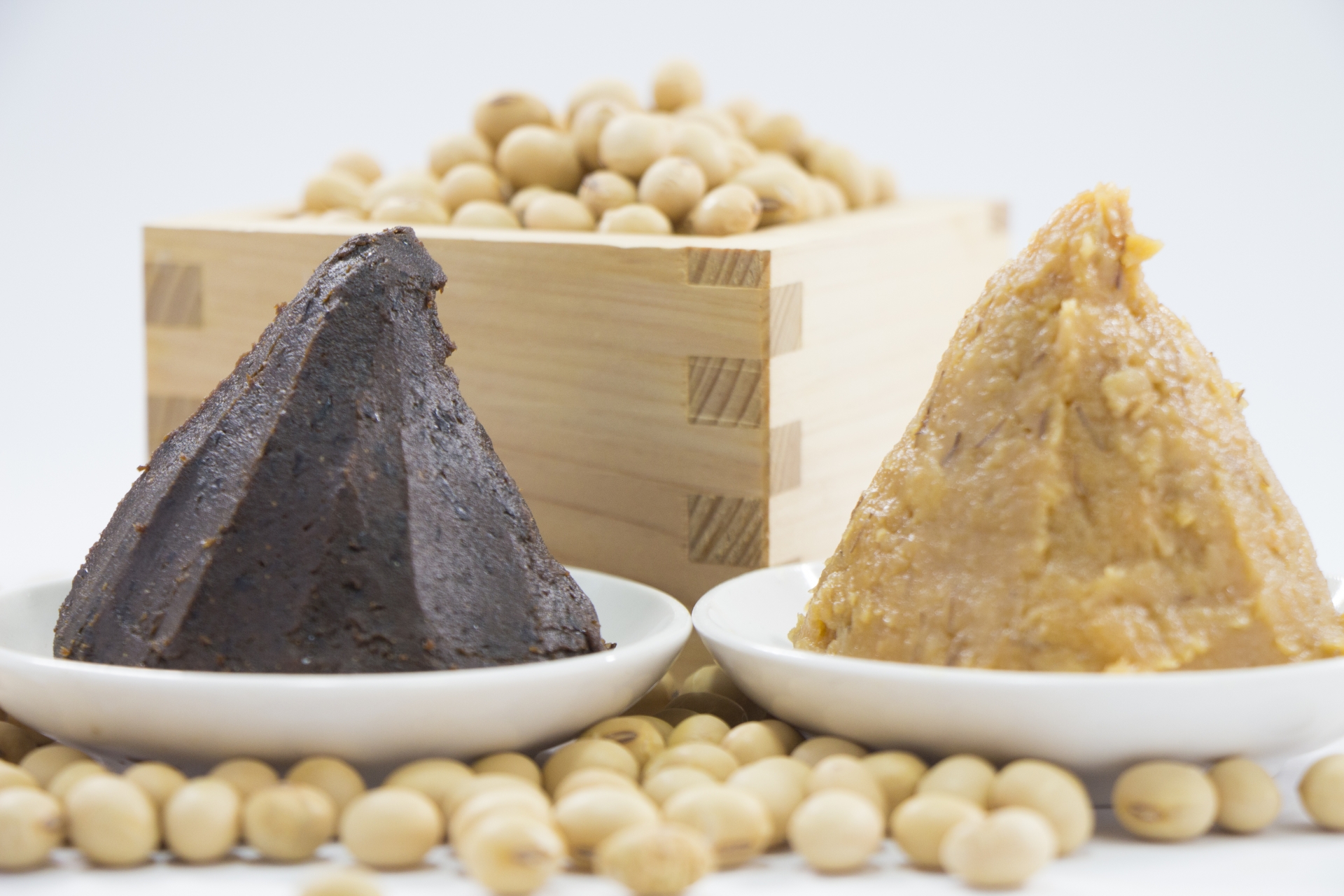
Miso is one of the essential flavors of Japanese cuisine. With its deep umami and gentle aroma, it brings comfort and complexity. Miso comes in many varieties, shaped by regional traditions, seasonal customs, and the natural rhythm of fermentation.
A Regional Flavor, Grown Over Time
Across Japan, miso has taken on unique forms depending on local climate and culinary culture. In western Japan—especially Kyoto and Osaka—people often use shiro miso (white miso), known for its light sweetness and pale color. It suits delicate dishes like Kyoto-style soups or spring vegetables.
In eastern regions, darker and richer types—like aka miso (red miso) or blends—are more common, adding depth to everyday meals and heartier dishes.
Each miso reflects its region—not just in taste, but in how it’s fermented and used in daily cooking. Miso is more than a condiment; it’s a reflection of place and time.
Bringing Out the Best in Seasonal Ingredients
Miso enhances the natural flavors of seasonal ingredients without overwhelming them. In spring, it pairs well with bamboo shoots, wild greens, and white fish, offering balance and subtle depth. On cool days, miso soup brings warmth; in warmer weather, miso sauces and marinades provide light but satisfying flavor.
At Takeda, we use miso with care—matching it to seasonal dishes not just for flavor, but to create harmony on the plate.
A spoonful of miso can quietly transform a dish.
It’s a gentle yet essential part of Japanese cooking—connecting season, place, and tradition in every bite.
