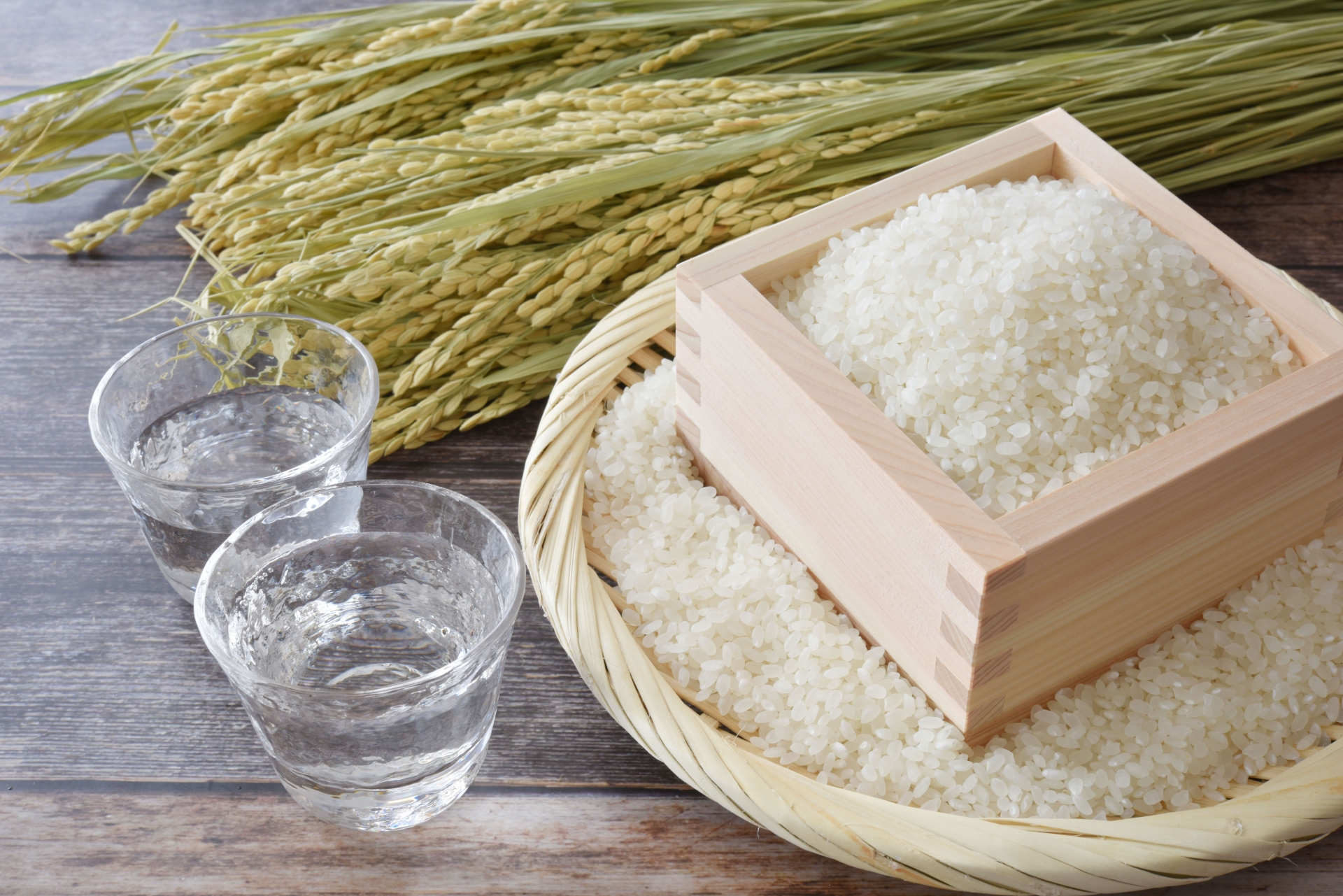
When it comes to traditional Japanese cuisine, sake plays an essential role. You may have seen labels like “Daiginjo” or “Junmai Ginjo” on bottles, but the differences between them aren’t always clear. Here’s a simple guide to the main types of sake and what makes each one unique.
Sake Comes in Two Main Categories
Sake can broadly be divided into two categories based on the ingredients used and how it is brewed: Ginjo-shu (sake made with a small amount of brewing alcohol added) and Junmai-shu (pure rice sake with no added alcohol). Another key factor is the polishing ratio, which refers to how much of the rice’s outer surface is milled away. The more the rice is polished, the more refined the sake’s aroma and taste become.
Ginjo-shu (吟醸酒)
This type of sake is made with a small amount of brewing alcohol added during fermentation to enhance aroma and flavor. It is known for its clean, light taste.
-
Ginjo-shu: Made with rice that has been polished to about 60% of its original size (around 40% removed). It features a fresh, fruity aroma and is best enjoyed chilled.
-
Daiginjo-shu: A more refined version of Ginjo-shu, made with rice that has had at least 50% of its surface polished away. It offers a fragrant, elegant flavor and is often reserved for special occasions.
Junmai-shu (純米酒)
Brewed with only rice and water—no added alcohol—Junmai-shu showcases the natural depth of flavor found in rice. It tends to have a fuller body and pairs well with food.
-
Junmai Ginjo-shu: Made with rice polished to about 60% (40% removed), this sake is delicate and aromatic, balancing fragrance with umami.
-
Junmai Daiginjo-shu: Crafted from even more highly polished rice, this type is known for its refined aroma and smooth, clean taste—ideal for refined palates or celebratory meals.
Each sake brings its own character and charm. Some are fragrant and floral, others are earthy and robust. At Takeda, we offer a variety of sake selections tailored to complement our seasonal dishes. Whether you’re a sake beginner or a long-time enthusiast, there’s always something new to discover in the world of sake.
