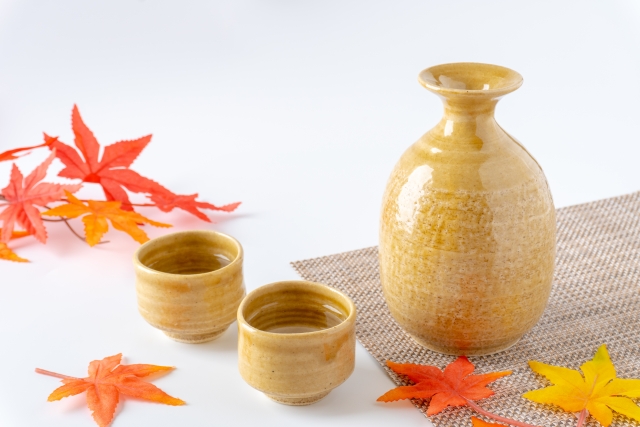
Sake is the signature drink of Japanese cuisine. From elegant omakase dinners to casual meals, it pairs beautifully with food. But what do labels like Junmai Daiginjo or Ginjo actually mean?
Let’s explore the basics of sake types—especially junmai styles—and how they differ.
Two Main Types: Junmai and Ginjo
Sake is divided into two main categories, based on whether distilled alcohol is added.
■ Junmai (純米)
Made only with rice, water, and koji—no added alcohol.
Full-bodied and savory, junmai sake showcases the rice’s character and pairs well with food.
■ Ginjo (吟醸)
Made with a touch of distilled alcohol to enhance aroma and lighten the taste.
Fragrant and crisp, best enjoyed chilled.
Polishing the Rice: The Key to Sake Styles
Sake flavor is shaped by how much the rice is polished before brewing. The more it’s milled, the more delicate the sake.
■ Junmai
Rice polished to around 70% (about 30% removed).
Rich and balanced, great warm or at room temp.
■ Junmai Ginjo
Polished to 60% (40% removed).
Elegant and fruity, best served slightly chilled.
■ Junmai Daiginjo
Polished to at least 50% (50%+ removed).
Refined and smooth with a clean finish.
■ Ginjo & Daiginjo
Same polishing levels as their junmai counterparts, but brewed with added alcohol for a lighter, more aromatic profile.
There’s a Sake for Every Moment
We offer a seasonal selection of sake that complements each dish.
From a crisp ginjo to a bold junmai, we aim to highlight the harmony between food and sake.
Sake is more than a drink—it reflects craftsmanship and seasonality.
Whether fruity or dry, warm or chilled, there’s a sake for every taste and occasion.
Explore the world of sake—one cup at a time.
