Category: About Takeda
-
Takeda’s Upper West Side Chapter Comes to a Close
A Message to Our Guests Thank you very much for your continued support. We are deeply grateful to everyone who has visited and supported Takeda during our time on the Upper West Side. Please note that Takeda will temporarily close its Upper West Side location after service on December 27, as we prepare to relocate.…
-
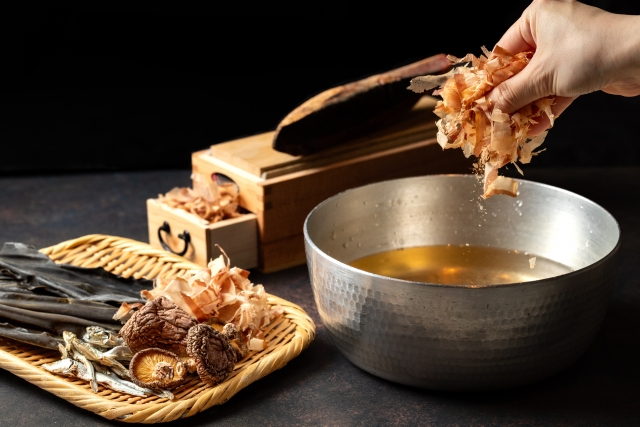
The Essence of Dashi — A Taste of Osaka in New York
At Takeda in New York, our philosophy begins with a single, simple idea: flavor comes from harmony. Chef Takeda, originally from Osaka, brings with him the city’s deep culinary tradition—one centered around dashi, the clear, umami-rich broth that forms the soul of Japanese cuisine. Dashi: The Quiet Strength of Japanese Cuisine Made from kombu (kelp)…
-
Takeda – Notice of Relocation
We would like to express our sincere gratitude for your continued support of Takeda. Due to various circumstances, our current location will close during the first week of January 2026 as we prepare to relocate. The reopening date for our new location has not yet been determined. We are deeply grateful to all of our…
-

Yaki Goma Dofu in White Miso Soup — A Kyoto-Inspired Delicacy
As part of Takeda’s seasonal course menu, we are currently serving a refined dish that evokes the elegance of Kyoto’s kaiseki tradition: Yaki Goma Dofu in White Miso Soup. This classic preparation features sesame tofu, lightly grilled until golden and fragrant, then gently placed in a delicate white miso broth. The Harmony of Sesame and…
-

The Fragrant Art of Straw Grilling – A Timeless Technique at Takeda
Rice straw—made from the dried stalks of harvested rice or wheat—has long played a role in Japanese life, from farming tools to thatched roofs. In the culinary world, this humble material takes on new life through a traditional method known as warayaki, or straw grilling. From Preservation to Flavor: The Evolution of Smoke Smoking techniques…
-

A Deeply Savory Take on Sujiko
Sujiko (salted salmon roe in its natural sac) reaches peak season from mid-September to November, when salmon return upstream to spawn. This short window marks a special time for enjoying this seasonal delicacy in Japan. Unlike ikura, which is made by gently separating the individual eggs and marinating them in soy sauce or miso, sujiko…
-
Featured Again on Eater — Grateful for the Continued Recognition
We’re honored to share that Takeda has once again been featured in Eater’s 2025 guide to “Where to Eat Sushi in NYC.” In a city where top-tier sushi restaurants compete side by side, Takeda has continued to earn a place on this prestigious list year after year. This ongoing recognition is a testament to the…
-

Sushi Vinegar – The Subtle Star Behind Perfect Sushi Rice
When it comes to sushi, the spotlight often shines on the fresh fish and perfectly cooked rice. But what truly brings these elements together is the subtle presence of sushi vinegar—a blend of vinegar, sugar, and salt that defines the character of the seasoned rice, or shari. Different Vinegars, Different Nuances The type of vinegar…
-

Summer’s Seasonal Delight: Tempura of Hamo
As the summer heat settles in, hamo—also known as pike conger—makes its seasonal debut in traditional Japanese cuisine. Especially cherished in the Kansai region, hamo has long been regarded as a luxurious summertime delicacy, often featured in refined kaiseki meals to mark the season’s arrival. Its subtle flavor and seasonal relevance have made it a…
-
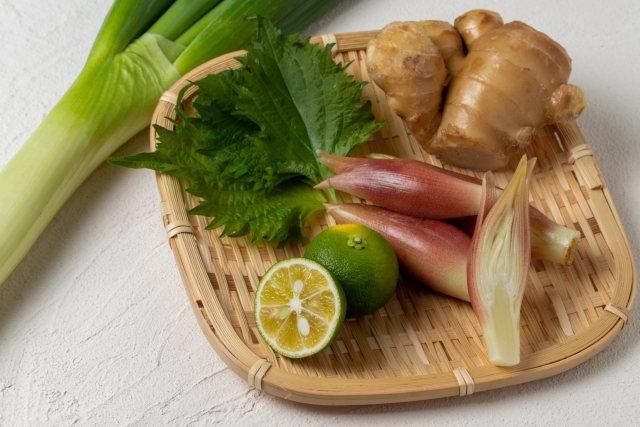
The Unsung Heroes of Japanese Cuisine: Yakumi (Garnishes)
In Japanese cuisine, some of the most powerful flavors come not from the main ingredients, but from the subtle, supporting elements—yakumi, or traditional garnishes. With just a pinch or a sliver, they can transform a dish, enhancing aroma, texture, color, and balance. These quiet additions are the unsung heroes of Japanese cooking. Yakumi: More Than…