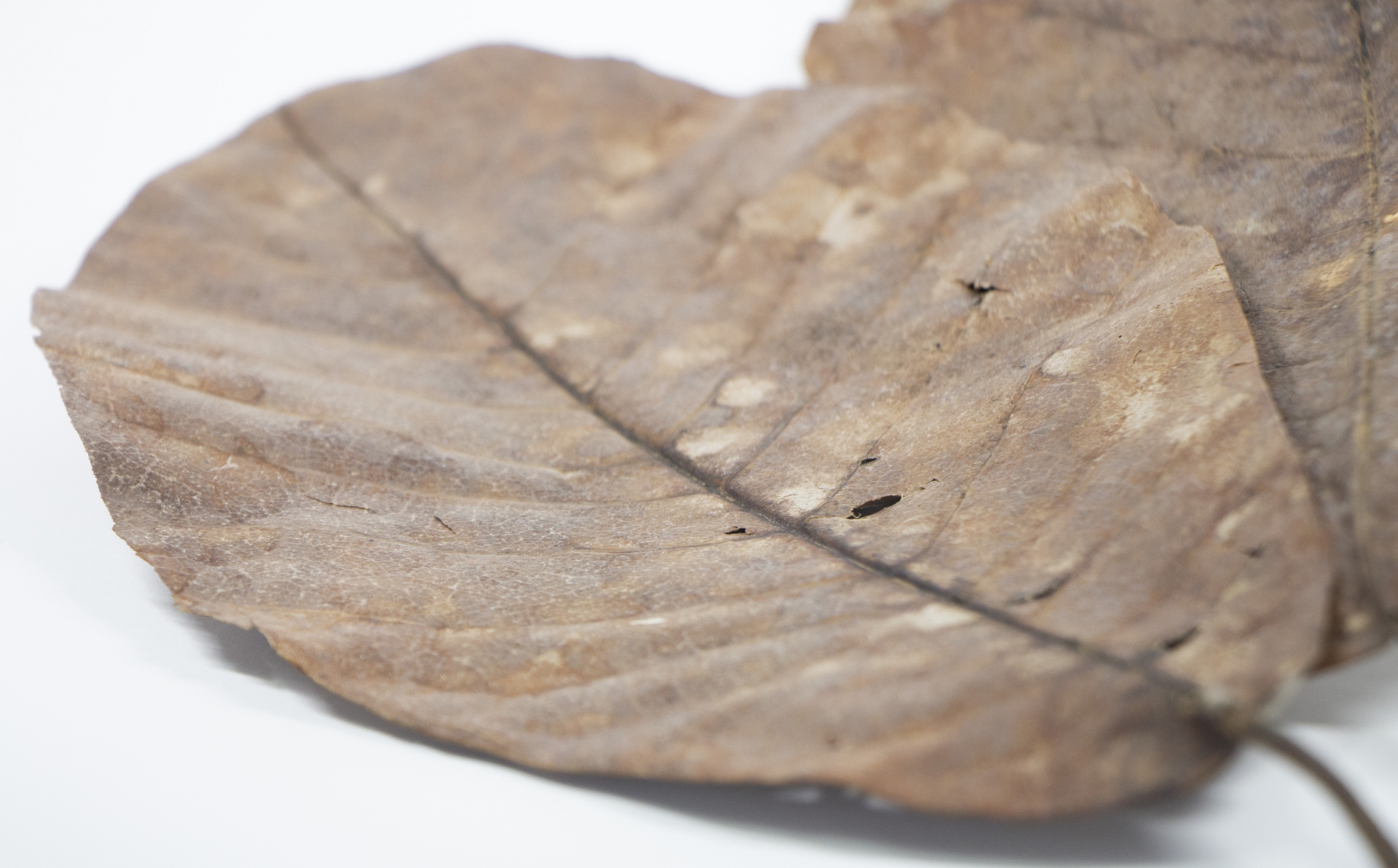
Hoba Miso Yaki, a cherished traditional dish from Japan’s Hida region, involves placing miso on a fragrant hoba leaf and grilling it with vegetables, meat, or mushrooms. This process allows the rich flavor of the miso to blend perfectly with the earthy aroma of the hoba leaf. In this article, we explore the charm of this dish and why hoba leaves are used.
At our restaurant, we offer “Hoba Miso Yaki,” a dish that highlights the flavors of autumn. We use seasonal ingredients such as autumn salmon, shimeji mushrooms, tofu, and nuts, paired with rich hoba miso. The ingredients are placed on hoba leaves and grilled slowly over charcoal. As the charcoal heats the leaves, their aroma intensifies, creating a wonderfully fragrant scent. We invite you to enjoy the delightful combination of the ingredients’ flavors with the rich fragrance of the hoba leaves.
What is Hoba? Bringing Nature’s Gift to the Table
“Hoba” refers to the leaves of the magnolia tree (Magnolia obovata), commonly found in the mountainous regions of East Asia, including Japan. These large leaves have been used in various ways for centuries, particularly for wrapping food or adding aroma. They are valued for their size, heat resistance, and ability to enhance flavor and preserve food. The use of hoba in cooking has become an integral part of Japanese tradition, especially in areas where nature plays a central role in daily life.

Why Use Hoba Leaves? The Reason and Effect
Many may wonder why hoba leaves are used in Hoba Miso Yaki. The answer lies in the unique fragrance of the leaves, which adds depth to the flavor of the dish. The sweet and savory miso combined with the smoky, woody aroma of the leaf creates a harmony that elevates even simple ingredients to a rich, flavorful experience.
Additionally, hoba leaves naturally have antibacterial properties and are great for preserving food, making them useful in traditional cooking. In the past, they were used for wrapping and preserving food, and even today, using hoba leaves ensures the dish remains aromatic and safe to serve.
When grilled, the fragrance of the hoba leaves is released and infuses into the ingredients, offering a delicious, smoky flavor. In the Hida region, where the climate is often cold, warm dishes like Hoba Miso Yaki have become beloved by locals as part of their culinary heritage.