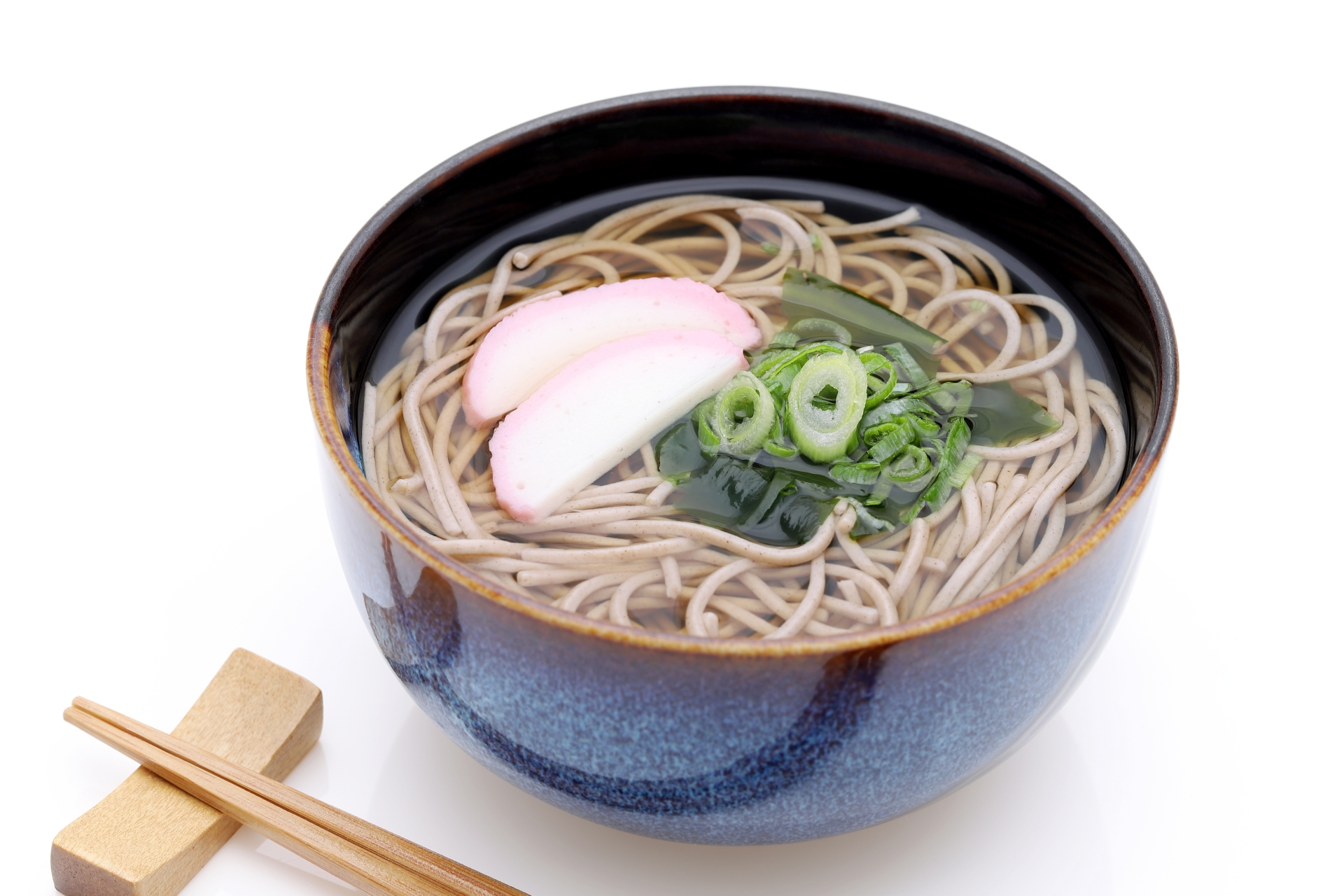
In Japan, New Year’s Eve is a time for reflection, tradition, and quiet preparation for the year ahead. Unlike the Western-style parties and fireworks, Japanese families mark the evening with meaningful rituals, one of the most famous being Toshikoshi Soba (年越し蕎麦), or “Year-Crossing Noodles.”
What is Toshikoshi Soba (Year-Crossing Noodles) ?
Toshikoshi Soba (Year-Crossing Noodles) is a simple dish of buckwheat noodles eaten on December 31st. The long noodles symbolize longevity, while cutting and eating them represents letting go of the past year’s hardships. This tradition is an essential part of many households’ year-end routines, offering a moment of reflection before stepping into the new year.
Soba shops across Japan serve this dish, and many families opt to prepare it at home, customizing it with toppings like tempura or scallions. It’s easy to participate in the tradition, even as a visitor—most supermarkets stock ready-made noodles and broth in the days leading up to New Year’s Eve.
Other Year-End Traditions
Japanese families often clean their homes, a practice called ōsōji (大掃除), to welcome the new year with a fresh start. Many also visit temples for Joya no Kane (除夜の鐘), a ritual where bells are rung 108 times to purify the spirit. These peaceful traditions reflect Japan’s focus on renewal and gratitude as the year comes to a close.

After enjoying Toshikoshi soba and other year-end traditions, Japan welcomes the arrival of the New Year, marking the start of Oshogatsu. This New Year’s celebration is filled with unique and fascinating Japanese customs. In the next article, I’ll introduce the charm of Oshogatsu, so stay tuned!