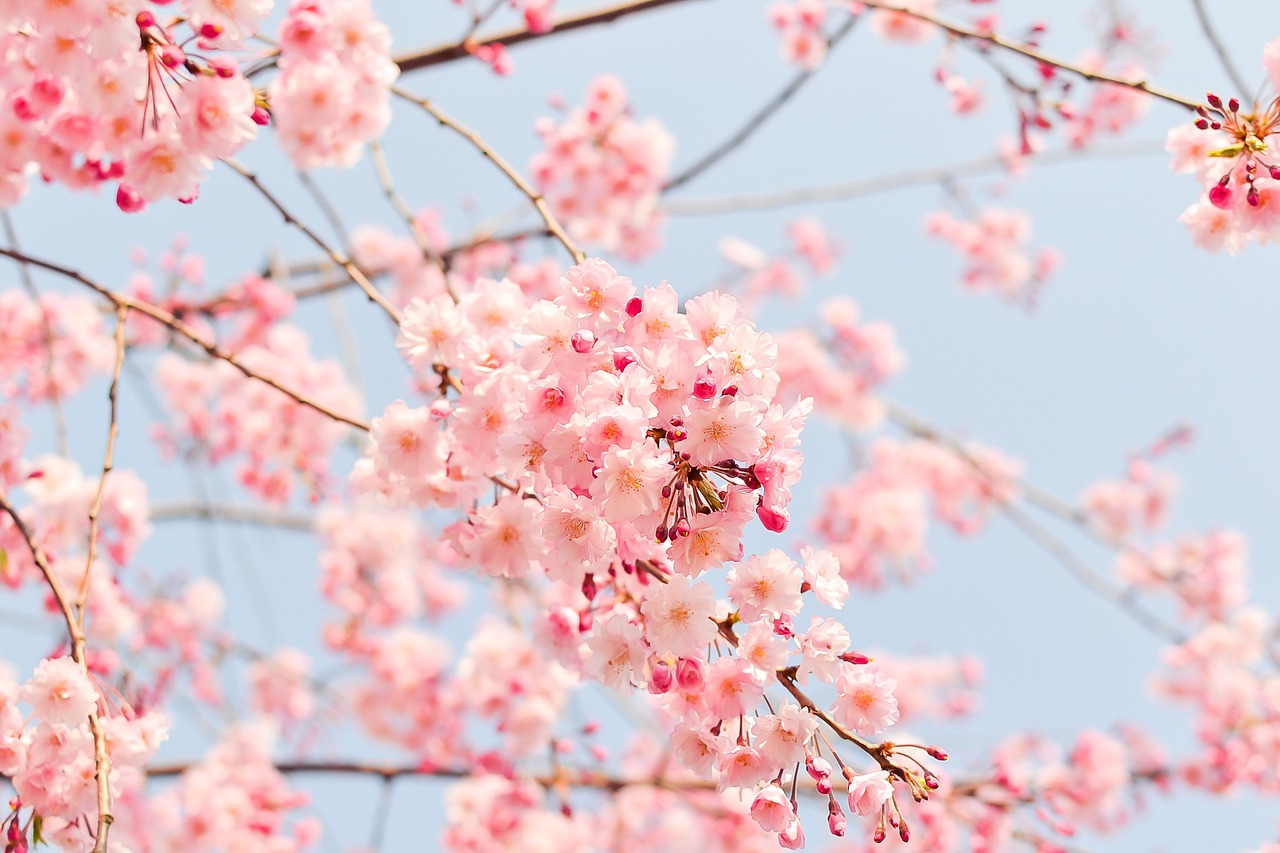
As winter fades, Japan welcomes spring with Shunbun no Hi, or Spring Equinox Day, observed on March 20 or 21. This national holiday marks the balance between day and night, symbolizing renewal and the transition to warmer days.
It also coincides with Higan, a Buddhist tradition where families visit ancestral graves and express gratitude for nature’s blessings. Seasonal foods enjoyed during this time reflect Japan’s deep connection with the natural world.
Botamochi – A Traditional Spring Delicacy
A signature treat of the Spring Equinox is botamochi, a sweet made of sticky rice and red bean paste. Named after the botan (peony) flower, which blooms in spring, it represents renewal and seasonal beauty.
In autumn, the same dish is called ohagi, named after the hagi (bush clover) flower. These seasonal names reflect how Japanese cuisine celebrates the natural cycles of the year.

Spring’s Seasonal Ingredients
With spring’s arrival, Japan’s cuisine embraces fresh seasonal ingredients that highlight the transition of nature, including:
•Takenoko (bamboo shoots) – A tender and mildly sweet spring delicacy.
•Sakura tai (cherry blossom sea bream) – A prized fish for celebratory meals.
•Hamaguri (clams) – Traditionally associated with good fortune and harmony.
At Takeda, we incorporate seasonal ingredients into our menu, allowing guests to experience the delicate flavors and traditions of Japanese spring cuisine.
Welcoming Spring Through Food
The Spring Equinox is more than just a seasonal event—it is a time to appreciate nature, celebrate renewal, and enjoy the fleeting flavors of the season. By savoring spring’s finest ingredients, we embrace traditions that have honored nature’s beauty for centuries.
Join us at Takeda and experience the essence of spring in every bite.