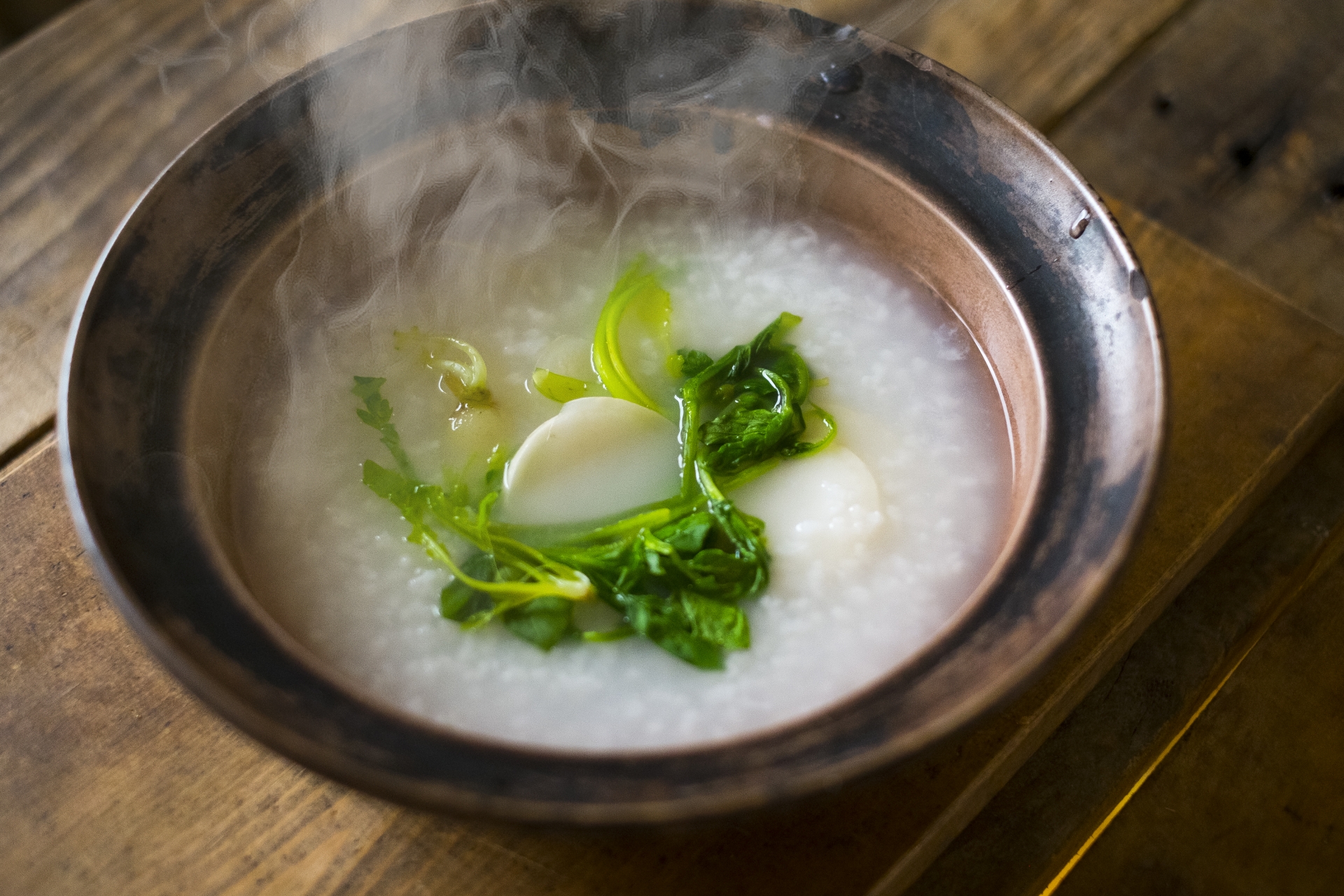
Nanakusa-Gayu: A Traditional Japanese Healthy Start to the Year
Every year on January 7th, Japanese people enjoy nanakusa-gayu, or “seven herb rice porridge,” a traditional dish steeped in history. This custom helps to rest the stomach after the indulgence of New Year’s feasts and symbolizes the wish for a year of good health.
The seven herbs, collectively known as the “seven herbs of spring,” are as follows. Each herb holds a special meaning and contributes to this dish’s cultural and healthful significance:
The Meaning of Each Herb
1.Seri (Japanese parsley): Represents competition and prosperity.
2.Nazuna (shepherd’s purse): Symbolizes the cleansing of the heart.
3.Gogyo (cottonweed): Represents health and embodies the image of the Buddha.
4.Hakobera (chickweed): Wishes for prosperity and fertility.
5.Hotokenoza (nipplewort): Symbolizes the peace of Buddha.
6.Suzuna (turnip): Represents family harmony and the summoning of gods through its “bell” shape.
7.Suzushiro (daikon radish): Signifies purity and the cleansing of the body and mind.
Each herb also contains nutrients that help replenish what the body may lack during the cold winter months.

History and Origins of Nanakusa-Gayu (Seven Herb Rice Porridge)
The tradition of nanakusa-gayu originates from an ancient Chinese custom called Jinjitsu (“Human Day”). It was introduced to Japan during the Nara period (710–794) and became a court ceremony. Eating rice porridge with seven herbs was believed to ward off evil spirits and provide the necessary nutrients to maintain good health.
A Symbolic and Nutritious Start to the Year
Nanakusa-gayu is a dish steeped in tradition, symbolizing a wish for good health and a fresh start to the year. While finding the exact seven herbs may be challenging in the U.S., Japanese grocery stores often carry nanakusa sets during this season, so check your local Japanese market. If unavailable, you can easily adapt the recipe with similar leafy greens like parsley, spinach, or kale. To make the porridge, wash 1 cup of rice, cook it with 4–5 cups of water over low heat for 30 minutes, then stir in finely chopped herbs (or substitute greens), simmer briefly, and season with a pinch of salt. Why not try making nanakusa-gayu this New Year and enjoy a simple, meaningful way to welcome a healthy year ahead?