Category: About Japanese Culture
-
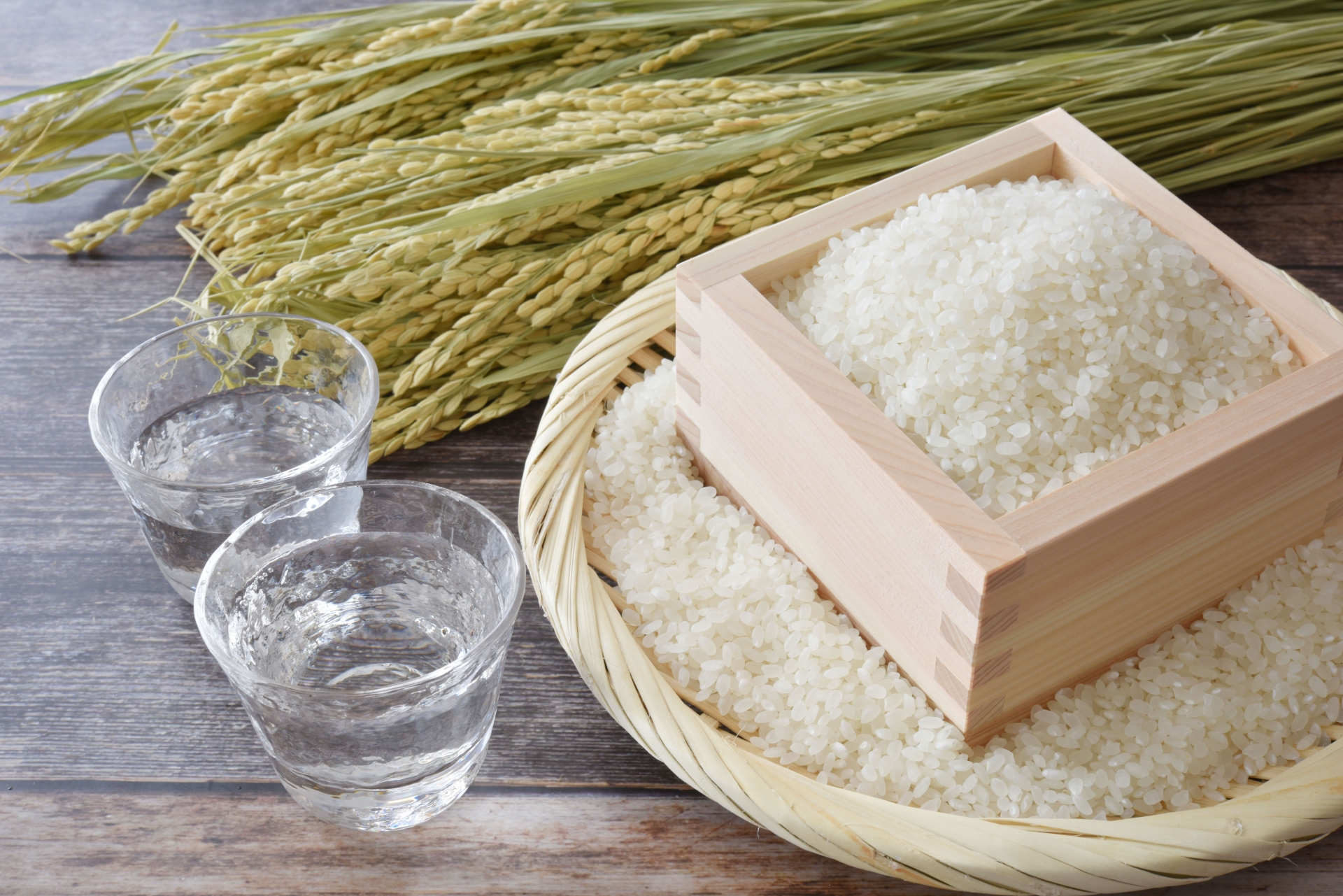
Types of Sake — A Journey Through Fragrance and Flavor
When it comes to traditional Japanese cuisine, sake plays an essential role. You may have seen labels like “Daiginjo” or “Junmai Ginjo” on bottles, but the differences between them aren’t always clear. Here’s a simple guide to the main types of sake and what makes each one unique. Sake Comes in Two Main Categories Sake…
-
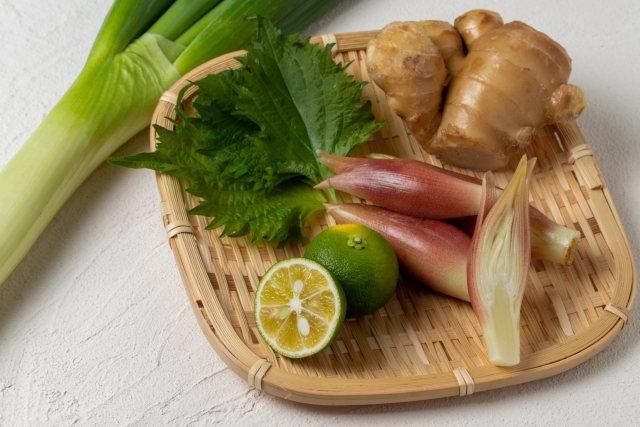
The Unsung Heroes of Japanese Cuisine: Yakumi (Garnishes)
In Japanese cuisine, some of the most powerful flavors come not from the main ingredients, but from the subtle, supporting elements—yakumi, or traditional garnishes. With just a pinch or a sliver, they can transform a dish, enhancing aroma, texture, color, and balance. These quiet additions are the unsung heroes of Japanese cooking. Yakumi: More Than…
-

Rain and Hydrangeas: Finding Beauty in Japan’s Rainy Season
In Japan, June marks the beginning of the rainy season, known as tsuyu. While the skies turn gray and humidity rises, this time of year is not simply endured—it is quietly cherished. For centuries, the Japanese have embraced the rain not as a nuisance, but as a part of nature’s rhythm, with its own subtle…
-
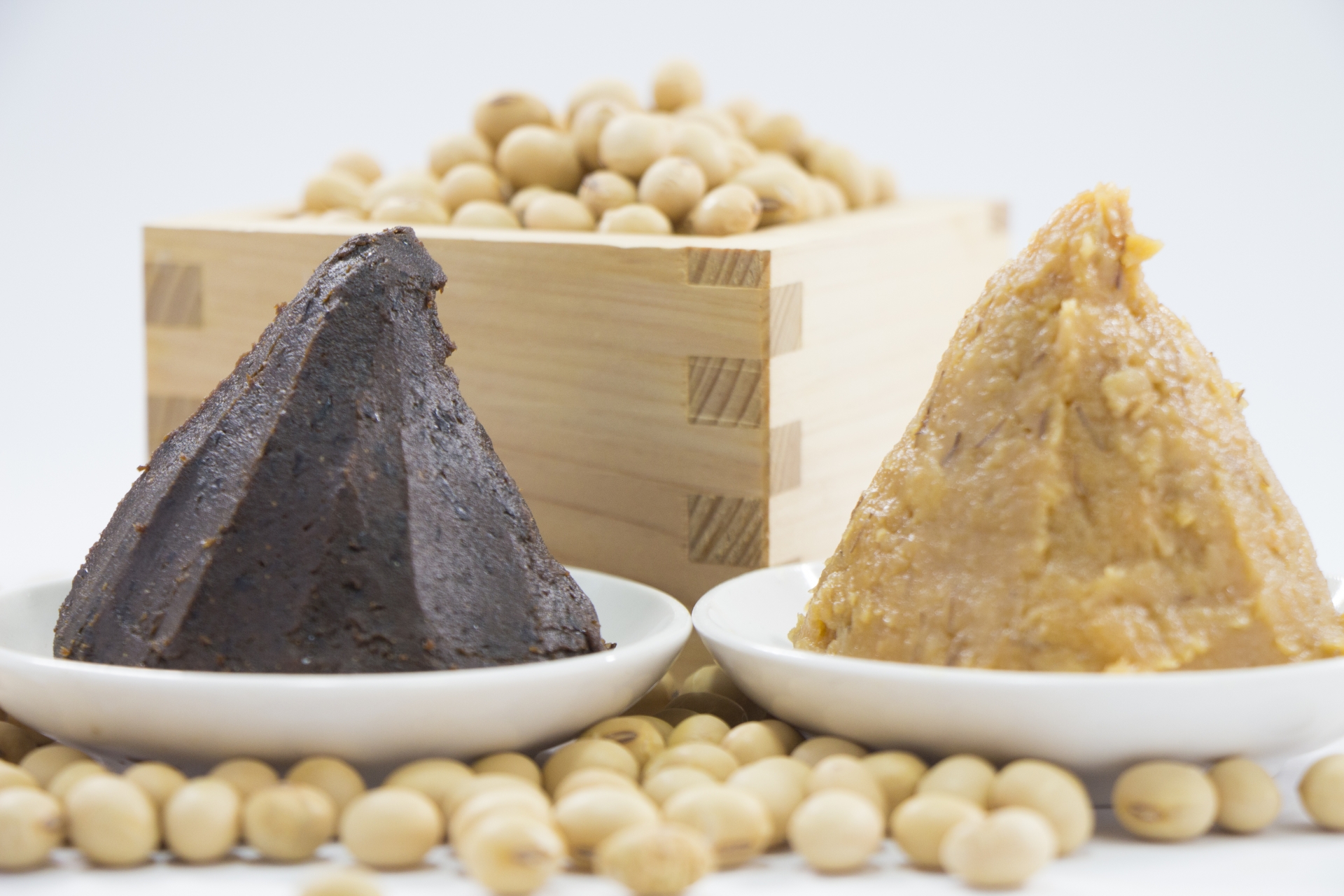
The World of Miso: A Taste of Tradition and Seasonality
Miso is one of the essential flavors of Japanese cuisine. With its deep umami and gentle aroma, it brings comfort and complexity. Miso comes in many varieties, shaped by regional traditions, seasonal customs, and the natural rhythm of fermentation. A Regional Flavor, Grown Over Time Across Japan, miso has taken on unique forms depending on…
-
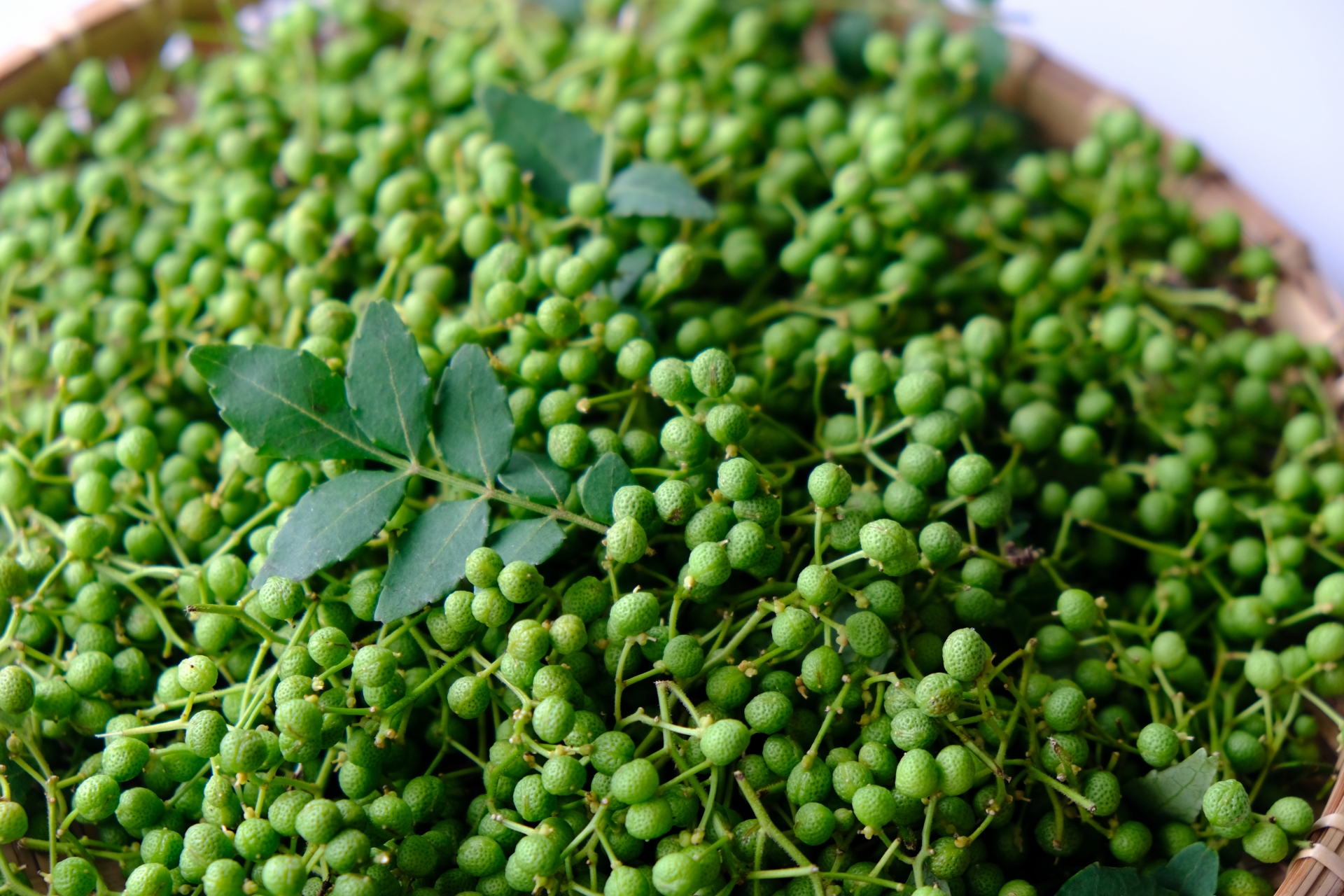
The Subtle Power of Sansho: A Uniquely Japanese Spice
Delicate yet bold, refreshing yet spicy—sansho (Japanese pepper) is a seasoning that quietly shapes the flavor profile of traditional Japanese cuisine. Though often used sparingly, its distinctive aroma and tingling sensation can transform a dish, adding both depth and brightness. As spring arrives, the young buds of the sansho plant—known as kinome—begin to sprout, signaling…
-

Koinobori: Japan’s Flying Symbols of Spring
In late spring, if you look up at the sky in Japan, you might spot something colorful fluttering in the breeze—koinobori, or carp streamers. These fish-shaped flags are part of a traditional event called Tango no Sekku, or Children’s Day, celebrated on May 5th. Even though the holiday has passed, the image of koinobori dancing…
-

Hanami: Welcoming Spring with Cherry Blossoms and Bento (Dinner picnic box)
When spring arrives in Japan, something magical happens—cherry blossoms bloom, transforming parks, riversides, and temple grounds into seas of soft pink. But hanami, or “flower viewing,” is more than just admiring the blossoms. It’s a time to gather, share food and drinks, and celebrate the season together. In fact, hanami is such a beloved tradition…
-

Spring – A Season of New Beginnings: Japan’s Graduation Traditions
As spring arrives, so does graduation season in Japan, a significant milestone for students moving forward. Graduation is more than just an academic achievement—it is a time of reflection, tradition, and transition. From formal ceremonies to unique customs, Japan’s graduation culture holds deep meaning. The Graduation Ceremony Japanese graduation ceremonies are formal and structured. The…
-
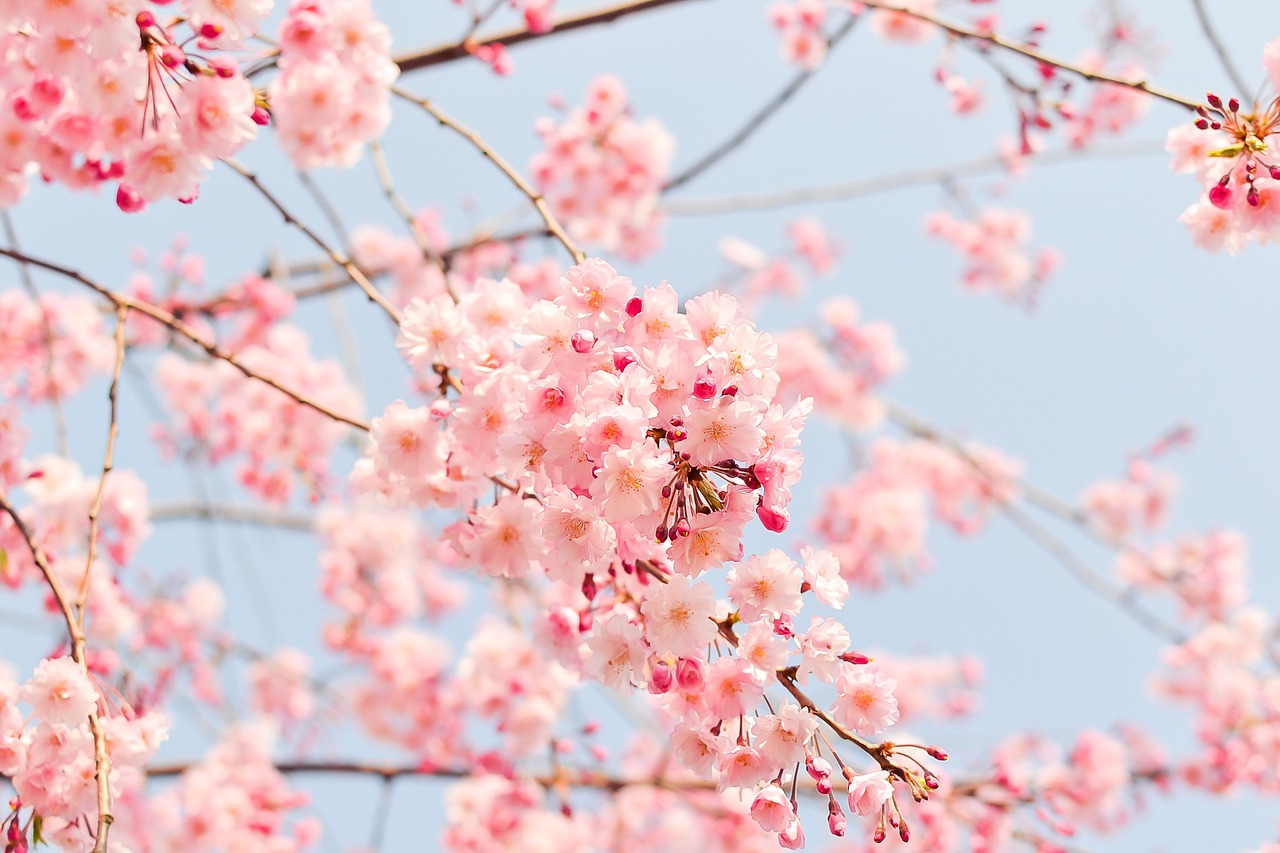
Spring Equinox and Japanese Cuisine – A Celebration of Nature’s Blessings
As winter fades, Japan welcomes spring with Shunbun no Hi, or Spring Equinox Day, observed on March 20 or 21. This national holiday marks the balance between day and night, symbolizing renewal and the transition to warmer days. It also coincides with Higan, a Buddhist tradition where families visit ancestral graves and express gratitude for…
-

The Traditions and Joys of Setsubun
Setsubun, or the “seasonal division,” is a unique Japanese tradition celebrated around February 3rd. Marking the eve of Risshun (the start of spring), it has long been observed as a time to cleanse away evil spirits and invite good fortune. One of the most iconic customs is mame-maki (bean-throwing). The Origins of Setsubun and Mame-Maki…